





General News
Carers Week 2026 –
 Carers Week 2026 –
Study highlights the scale of logistical, financial and emotional pressures on families
New research suggests unpaid carers across the UK are taking on a significant role helping loved ones in accessing healthcare. The study from Specsavers underlines the operational and emotional burden often associated with attending routine appointments and the potential value of domiciliary provision in both optics and audiology.
The study of 750 unpaid carers in the UK found carers spend an average of 26 hours each month attending healthcare appointments, alongside nearly 12 hours a week organising, travelling to and waiting for care. Three in ten (30%) said they spend more than 40 hours per month on healthcare support alone, while many remain unaware that there are services that can deliver eye and hearing care in the home.
Alongside time pressures, carers reported an average monthly spend of £68.90 supporting loved ones at appointments. More than half (58%) said they spend between £51 and £100 per month, and nearly one in five (16%) spend more than £100, reinforcing the case for care models that can reduce travel and appointment-related burden.
On the benefits of home visits healthcare, half (52%) listed reducing stress as the one that mattered most, with one in four (27%) listing that home visit healthcare would allow greater comfort for the person they care for.
The research also points to a wider economic impact: nearly half of carers said they lose income because of caring responsibilities (43%) or have had to adjust their working hours (44%), while one in ten have stopped working altogether.
Says Sonam Sehemby, Audiologist and Head of Clinical Training at Specsavers: ‘For the domiciliary eye and hearing care sector, the findings underline the extent to which unpaid carers are helping patients navigate access to care, and the opportunity for home visits services to reduce friction in the patient journey while supporting families more effectively.
‘Behind all these figures are real families navigating a complex, often invisible daily reality. But what is clear is the unwavering dedication and support provided by so many unpaid carers up and down the country.’
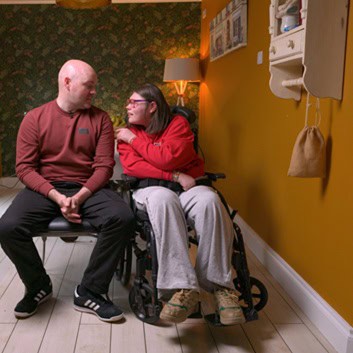
Case study illustrates barriers to accessing routine care
Watch Paddy and his sister Sarah’s story here:
https://www.instagram.com/reel/DZVMPNQts8u/?igsh=aHoweW0zYTFsMGxo
Comedian Paddy Raff is one of millions of unpaid carers in the UK. He helps care for his sister Sarah, who lives with cerebral palsy, epilepsy and learning difficulties, and requires 24-hour support.
‘We don’t really see ourselves as carers,’ Paddy explains. ‘We’re family first and foremost… it’s just something that becomes part of your life.’
Sarah lives with their mum in Belfast, with Paddy and their wider family constantly stepping in to help. ‘My mum does the bulk of the care, but all of us, siblings, aunties, we all chip in, he says.
Sarah’s day-to-day care is constant and incredibly hands-on. ‘She needs help with getting up, getting dressed, going to the toilet… transport, everything. There’s always someone there or within earshot.’
While the family doesn’t consider it as work, the reality reflects the national picture; a demanding role that shapes daily life and relationships. For carers like Paddy, even routine healthcare appointments can become complex, stressful and often overwhelming operations. Getting Sarah to appointments is rarely straightforward, usually requiring multiple people, careful planning, and mental preparation.
‘It’s a three-person job just to get her out,’ he explains. ‘You’re thinking, what’s the access like? How far do we have to go? Will they see her on time? These things will live in my mum’s mind for weeks before the appointment… it can be very stressful.’

For families such as Paddy’s, access to a domiciliary model of care can significantly reduce the complexity of attending routine eye and hearing appointments. ‘I hadn’t even thought that someone might come to the house to do it,’ he says. ‘It was a real godsend.’
Eligible patients can receive an NHS-funded eye test in their own home, providing access to care for people who may find it difficult or impossible to attend practice. In selected locations across the UK, the Specsavers Home Visits service also includes free home hearing tests, extending domiciliary access across both optical and audiology pathways.
‘It alleviates a lot of stress… you don’t have to plan how you’re getting there or worry about whether it will work once you arrive,’ Paddy explains. Instead, Home Visits experts adapt to the individual. For Sarah, the experience itself becomes far more positive at home. Rather than a stressful trip, her eye test became interactive and accessible.
Paddy says, ‘They turned it into a bit of a game and were very accommodating of her needs…they did things at her pace. It’s been really refreshing to have such a painless process and get a good result at the end of it.’
‘I think it takes a huge burden off carers… there’s a lot of planning and stress otherwise,’ Paddy says.
Critically, the service doesn’t just support the individual, but rather it supports the entire household.
‘You’re always focused on the person you care for,’ he adds. ‘So, anything that makes things easier for them makes things easier for you too.’
As Paddy puts it, ‘As long as the person you’re caring for is happy… that’s all that matters.’