





Charities & Support Groups
Please support a very worthy but small charirty for AED provision
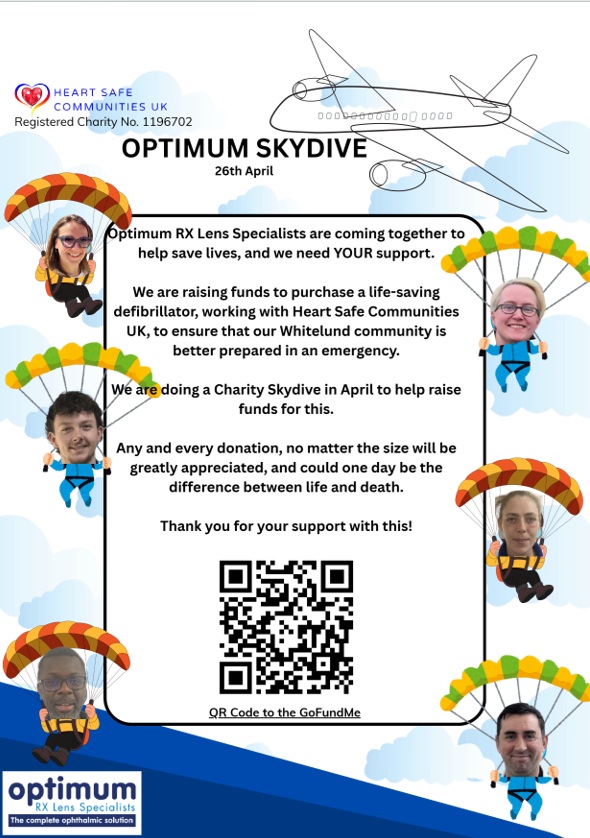
HSCUK.org is a small charitable organisation dedicated to enhancing public health and safety by facilitating the supply of defibrillators within local communities.
Gofund.me
The charity works to ensure that these life-saving devices are accessible to the public, particularly in areas where emergency medical assistance may not be immediately available. By raising awareness and supporting the placement of defibrillators, HSCUK.org plays a vital role in helping individuals respond quickly to cardiac emergencies, potentially saving lives across the community.
Why AEDs matter in the countryside
An automated external defibrillator (AED) can restore a normal heart rhythm in some cases of sudden cardiac arrest, but only if it is used quickly. In rural areas, longer ambulance response times and greater travel distances can make early defibrillation the difference between life and death.
- Time-critical emergency: Each minute without defibrillation reduces the chance of survival; rural response times can be significantly longer than in towns.
- Higher likelihood of being first on scene: In the countryside, neighbours, passers-by, farm staff, and community volunteers are often the true first responders.
- Distance and access barriers: Remote lanes, seasonal weather, flooding, and limited phone signal can delay professional help.
- Community resilience: A well-sited, well-maintained AED strengthens local preparedness for visitors and residents alike (including older populations).
Siting AEDs in the countryside: practical principles
- Put the AED where people actually are: Prioritise everyday “footfall” rather than what looks central on a map.
- Minimise “grab-and-return” time: Aim for quick access from likely incident locations (homes, work sites, visitor spots). In dispersed hamlets, multiple devices may be better than one ‘central’ unit.
- 24/7 access where possible: Outdoor cabinets or locations with guaranteed access avoid delays caused by locked buildings or limited opening hours.
- Make it obvious: Clear signage, lighting, and directions are crucial—especially for visitors and in poor weather or darkness.
- Account for rural risks: Use weatherproof, temperature-controlled cabinets where needed; consider livestock areas, dust, and farm chemicals.
- Plan for communications gaps: If mobile signal is poor, provide simple printed instructions and ensure local people know the location without relying on apps.
- Coordinate with emergency services: Register the AED (and its exact location/access details) with the appropriate national or regional AED registry used by dispatchers.
- Balance access and security: Use monitored cabinets or keypad access if required, but avoid systems that slow down retrieval.
Good countryside locations to consider
- Village halls, community centres, and churches (ideally externally mounted for out-of-hours access)
- Local shops, post offices, pubs, cafés, and petrol stations
- Schools and sports facilities (with a cabinet accessible outside school hours)
- Farms with multiple staff or frequent visitors (e.g., farm shops, pick-your-own sites)
- Tourist and outdoor hubs: campsites, trailheads, beaches, car parks, visitor centres
- Rural transport nodes: bus stops with shelters, small stations, ferry points
- Areas with higher risk or vulnerability: sheltered housing, frequent community events, remote hamlets with limited road access
Maintenance, governance, and community readiness
An AED only saves lives if it is working, findable, and accessible. Assign a named guardian (and a back-up) to carry out routine visual checks, confirm the status indicator is normal, and manage replacement of pads and batteries before expiry. Keep the location details up to date with the relevant registry and ensure clear local awareness (noticeboards, community groups, and simple “what to do” instructions). Brief, practical training and CPR awareness sessions can increase confidence, but AEDs are designed to be used safely by untrained bystanders with voice prompts.
In the countryside, the best AED siting decisions are those grounded in local knowledge: where people gather, where risks are higher, and where access is reliable all year round. By combining thoughtful placement with ongoing maintenance and community awareness, rural communities can dramatically improve the chances of survival from sudden cardiac arrest.
The charity works to ensure that these life-saving devices are accessible to the public, particularly in areas where emergency medical assistance may not be immediately available. By raising awareness and supporting the placement of defibrillators, HSCUK.org plays a vital role in helping individuals respond quickly to cardiac emergencies, potentially saving lives across the community.
Please Donate to this worthy cause
Mo Webb is trustee of HSCUK.org, a very small charity that facilitates the supply of defibrillator’s in the community. “We have a particular emphasis on CPR training by qualified Medical Professionals as well as the correct national registration & yearly upkeep, which is often missed.”
Gofund.me